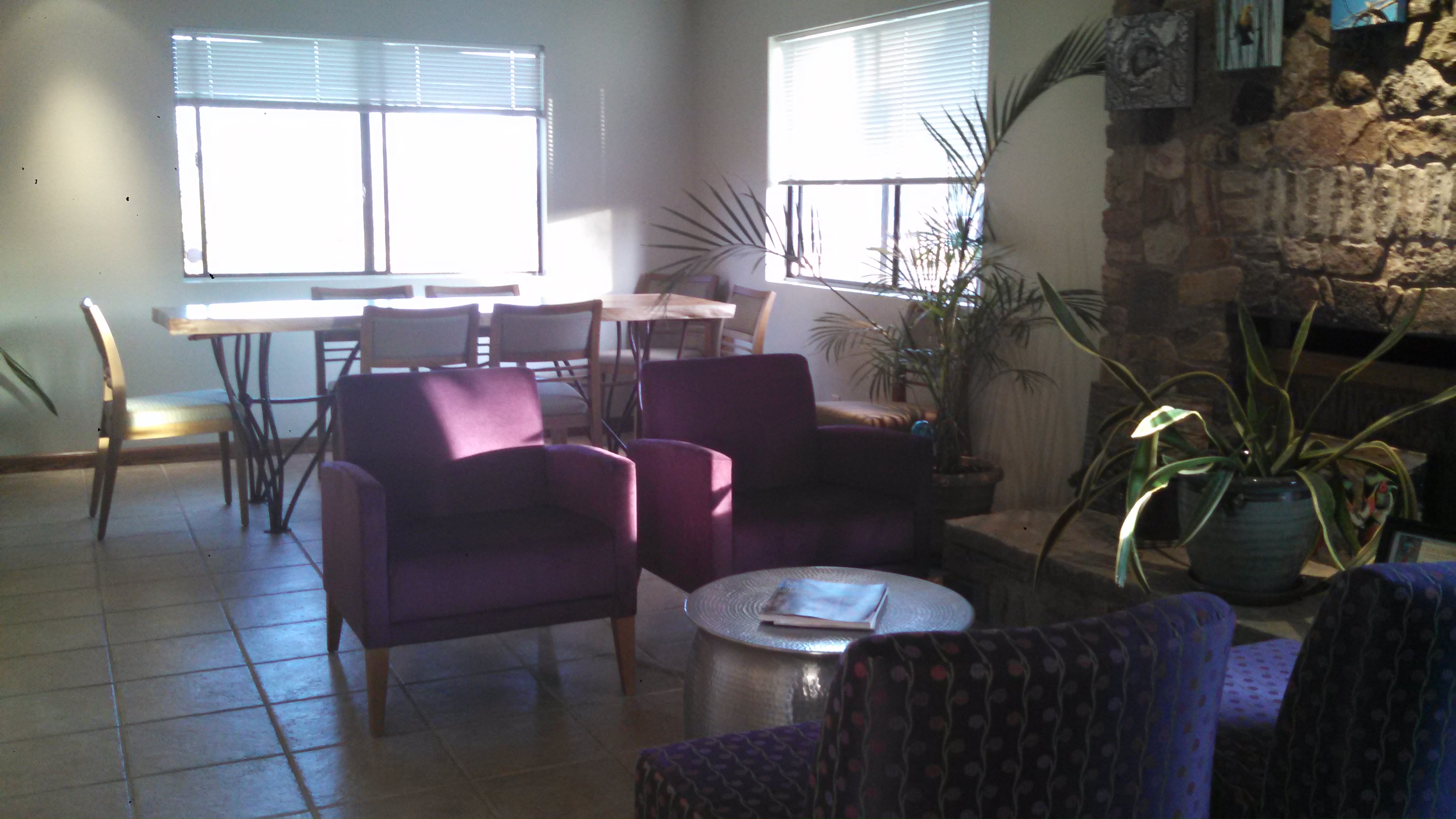
CREATIVE WAYS TO REFRESH YOUR EXISTING OFFICE
An office refresh doesn’t always require a full renovation or a major budget. Often, thoughtful updates and creative adjustments can dramatically improve how a space looks, feels, and functions.
Creative Ways to Refresh Your Existing Office
An office refresh doesn’t always require a full renovation or a major budget. Often, thoughtful updates and creative adjustments can dramatically improve how a space looks, feels, and functions. Whether you work in a corporate office, a professional practice, or a small business setting, small design changes can boost morale, productivity, and overall satisfaction.
Below are creative, practical ideas to help breathe new life into an existing office—without starting from scratch.
1. Rethink the Layout You Already Have
One of the most impactful (and cost-effective) changes is reworking your current layout. Over time, offices tend to evolve organically, which can result in inefficiencies.
Consider:
Reorienting desks to maximize natural light
Creating clearer circulation paths
Defining zones for focused work, collaboration, and informal meetings
Even subtle shifts in furniture placement can make a space feel more open and intentional.
2. Add Layers of Lighting
Many offices rely too heavily on overhead lighting, which can feel flat or harsh. Layered lighting creates warmth and visual interest while supporting different work needs.
Ideas include:
Task lighting at desks or workstations
Accent lighting to highlight architectural features or artwork
Warmer light temperatures in break rooms or lounge areas
Lighting upgrades can dramatically change the mood of a space without altering its footprint.
3. Bring in Color—Strategically
Color has a powerful effect on energy and focus. If a full repaint isn’t feasible, consider introducing color in targeted ways:
Accent walls in conference rooms or collaboration areas
Upholstered seating or desk chairs
Artwork, area rugs, or accessories
Soft neutrals paired with a few intentional pops of color often strike the right balance between professional and inviting.
4. Upgrade Finishes and Materials
Small material changes can make an office feel more current and polished.
Look for opportunities to refresh:
Cabinet hardware
Door levers and hinges
Countertops in break rooms
Wall coverings or textured panels
These updates may seem minor, but collectively they elevate the overall experience of the space.
5. Create Flexible, Multi-Use Areas
Today’s offices benefit from flexibility. If certain rooms or corners are underused, consider how they might serve multiple purposes.
Examples include:
A conference room that doubles as a training space
A lounge area that supports casual meetings
Mobile furniture that can be reconfigured as needs change
Flexibility helps offices adapt as teams and workflows evolve.
6. Incorporate Biophilic Elements
Bringing nature indoors can reduce stress and increase well-being. Biophilic design doesn’t have to be elaborate to be effective.
Simple ideas:
Live plants or low-maintenance greenery
Natural materials like wood, stone, or cork
Views to the outdoors enhanced with thoughtful window treatments
Even a few natural elements can soften a space and make it feel more welcoming.
7. Refresh Common Areas
Break rooms, waiting areas, and hallways are often overlooked, yet they shape first impressions and daily experiences.
Consider updating:
Seating for comfort and durability
Finishes that are easy to maintain
Artwork that reflects your brand and culture
Well-designed common areas encourage connection and leave a positive impression on both employees and visitors.
8. Use Technology Thoughtfully
An office refresh is a great opportunity to improve how technology integrates with the space.
This might include:
Better cable management
Updated presentation tools in meeting rooms
Power and data access where people actually work
When technology is seamlessly incorporated, spaces feel cleaner and more intuitive.
Final Thoughts
Refreshing an existing office is about working smarter with what you already have. By focusing on layout, lighting, materials, and flexibility, you can transform your space into one that better supports productivity and comfort—without unnecessary disruption.
Thoughtful design isn’t about trends; it’s about creating spaces that truly work for the people who use them every day.
Share this post
Comments (0)
Sign in to leave a comment.
Sign InLoading comments...
More from BDS Interior Design
Ready to work with BDS Interior Design?
Get in touch today for a free consultation.
Request Quote