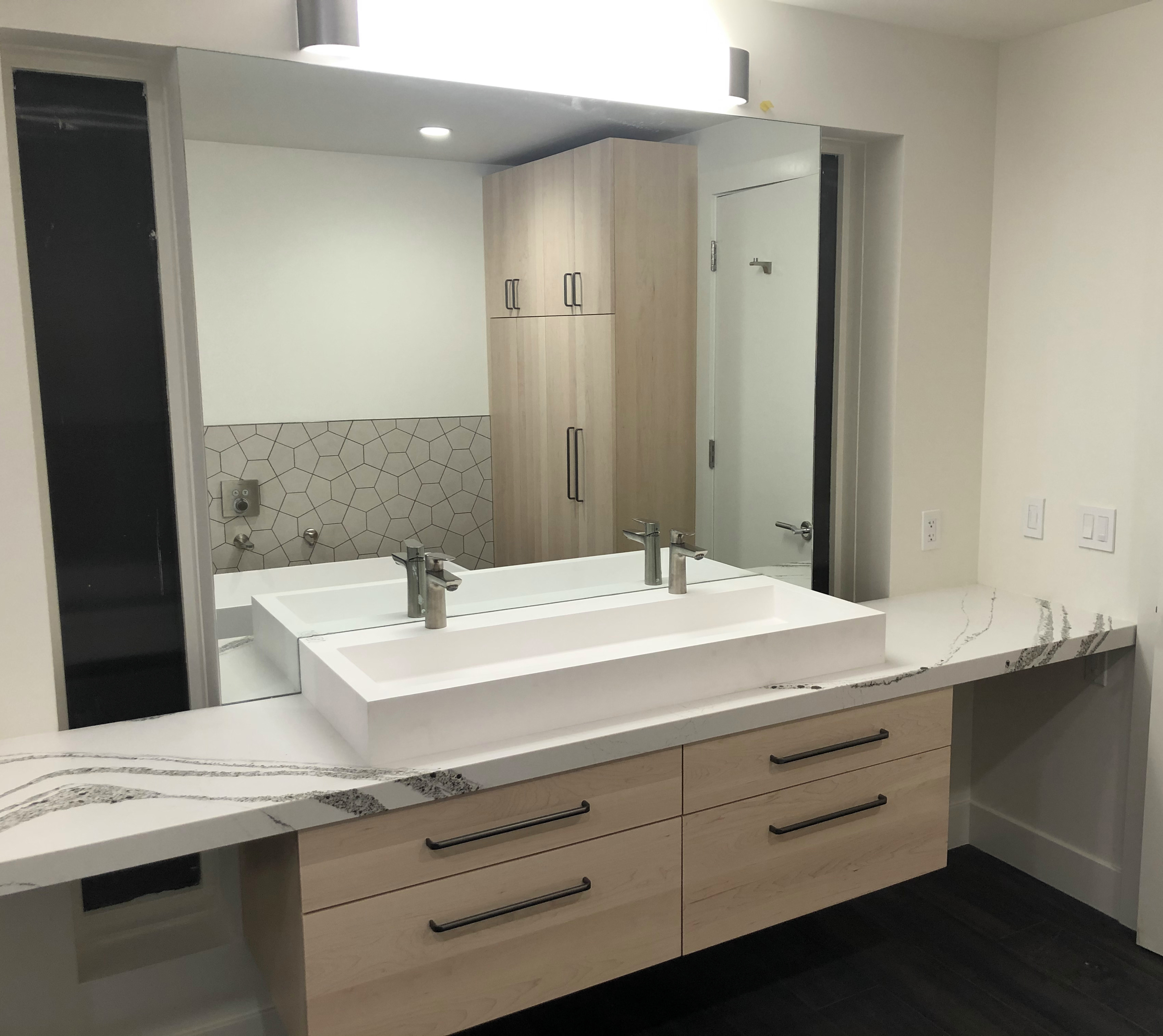
Behind the Scenes of a Successful Interior Design Project
Every successful interior design project, whether for a home or business, begins with a thoughtful, layered process. Understand how BDS Interior Design in Kelseyville Riviera, CA, transforms visions into reality.
The Interior Design Process
Every completed interior—whether it’s a home, office, dental practice, or hospitality space—begins long before construction. At BDS Interior Design, we often remind clients that what looks effortless at the end is the result of a thoughtful, layered process. Understanding how a design project unfolds, how visualization tools differ, and where a designer’s true value lies can make the journey feel clearer and far more rewarding.
The Anatomy of a Design Project
A successful design project follows a structured path. While each client’s needs are unique, the framework remains consistent.
The first stage is discovery. At BDS Interior Design, this means listening carefully. We discuss how the space is used, what isn’t working, what must be preserved, and what the client envisions for the future. This stage is less about style and more about understanding lifestyle, workflow, or business operations. Design begins with listening.
Next comes conceptual development. We begin shaping ideas into a cohesive direction—considering layout, circulation, function, lighting, and architectural elements. This is where creativity meets strategy. A space must not only look beautiful but also perform effectively.
Then we move into design refinement and visualization. Floor plans are developed, materials are selected, and details are clarified. This is often where 3D previews come into play, helping clients see the project take form before construction begins.
Finally, there is implementation. Coordination with contractors, reviewing specifications, problem-solving unforeseen challenges, and ensuring the design intent is honored throughout the build. A well-executed project is not just designed well—it is managed well.
From first conversation to final walkthrough, our approach at BDS Interior Design is consistent: we listen, we design with intention, and we remain engaged until the finished space reflects the original vision.
Mood Boards vs. 3D Renders
Both mood boards and 3D renders are visualization tools, but they serve very different purposes.
A mood board communicates feeling. It may include color palettes, textures, finishes, furniture inspiration, and imagery that capture the emotional tone of a space. Mood boards are excellent for aligning on aesthetic direction—modern or traditional, warm or minimal, bold or understated. They help answer the question: How should this space feel?
A 3D render, on the other hand, communicates reality. It illustrates scale, proportion, layout, lighting placement, and how materials interact within the actual dimensions of the space. A render answers the question: How will this space function and look once built?
At BDS Interior Design, we often use both tools strategically. Mood boards guide the artistic vision. 3D renders clarify execution. Together, they create a complete understanding—emotional and practical—so clients can move forward confidently.
Without a mood board, a design may lack cohesion. Without a 3D render, a design may lack clarity. When combined, they remove guesswork and reduce uncertainty before construction begins.
The Hidden Value of a Designer
Many people associate interior design with selecting colors or furnishings. In reality, much of a designer’s value happens behind the scenes.
A designer anticipates problems before they surface. We evaluate spatial flow to prevent congestion. We assess scale to avoid costly miscalculations. We consider lighting layers to ensure comfort and function. We coordinate trades, review specifications, and protect the integrity of the design during implementation.
There is also financial value in thoughtful planning. Preventing errors before construction begins is significantly less expensive than correcting them afterward. Clear documentation, realistic visualization, and proactive coordination reduce change orders and delays.
Perhaps most importantly, a designer serves as an advocate for the client’s vision. At BDS Interior Design, we act as a bridge between ideas and execution. We translate client goals into technical plans and communicate them effectively to contractors and vendors. We ensure the finished project reflects not only a design concept, but the client’s original intent.
The hidden value lies in foresight, structure, communication, and experience—qualities that are not always visible but are essential to a successful outcome.
Bringing It All Together
Interior design is more than selecting finishes. It is a carefully sequenced process built on listening, visualization, refinement, and execution. Mood boards shape the emotional tone. 3D renders provide tangible clarity. And the designer’s role weaves everything together—anticipating challenges, refining details, and guiding the project from concept to completion.
At BDS Interior Design, our goal is simple: to transform your vision into a finished space that feels intentional, functional, and true to you. When the process is understood and the tools are used thoughtfully, the journey becomes as meaningful as the final result.
Share this post
Comments (0)
Sign in to leave a comment.
Sign InLoading comments...
More from BDS Interior Design
Ready to work with BDS Interior Design?
Get in touch today for a free consultation.
Request Quote